Will AI Recommend Your CPA Firm? Most Firms Leave the Evidence Unclear
Ask ChatGPT, Claude, or Perplexity for a CPA who understands equity compensation in California and it may recommend several firms. What is harder to see is why those firms were selected and equally qualified firms were left out.
The difference may have little to do with professional ability. One firm may have published clear, corroborated evidence connecting named professionals to their credentials, locations, and specialties. Another may leave those relationships scattered across biographies, service pages, and third-party profiles.
AI does not read your website the way a person does
When you land on a firm's team page, you see it instantly: names, credentials, headshots, a short bio for each partner. One person is the trust and estate specialist. Another handles pre-IPO equity. Your brain connects a person to an expertise in about a second.
An AI system does not necessarily reconstruct those relationships the same way. Depending on the product and the query, it may rely on indexed page text, search results, structured data, links, and information from third-party sources. When those sources consistently connect a person to a firm, a credential, a location, and a specialty, the evidence is easier to interpret.
A biography can still be read without schema. The problem is that the relationship may be less explicit. Is the person currently employed by the firm? Is "CPA" a verified credential or just nearby text? Does the specialty belong to that person or to the practice generally?
Professional quality and machine legibility are different things. A firm can be highly qualified and still publish weak evidence of that expertise.
Person schema can make those relationships more explicit
Person schema is a block of structured data that explicitly describes a named person and can connect that person to an employer, a credential, a profile, and an area of expertise. Search engines and other systems may use that information to better interpret and disambiguate the entity. Paired with Organization data and a substantive biography, it makes the intended relationship explicit: this person works for this firm, holds these credentials, and practices in these areas.
Structured data describes what the page already says. It does not create credibility by itself, and it is not a substitute for the underlying profile.
We have looked at a lot of accounting firm sites. The pattern is consistent: real expertise sitting on the team page and the service pages, and no structured data marking any of it up. The credentials are visible, but the relationships between the person, the firm, the credential, and the specialty remain ambiguous.
In the accounting sites we studied, Person schema was rare. Even a basic implementation would place a firm ahead of most of the current cohort in how explicitly it publishes professional identity, and it does not require writing a single new page.
Why this matters for AI-assisted discovery
Some of the crawlers behind AI answers do not execute JavaScript, and what they can retrieve is limited to what the server sends. In our study of 368 small-business websites, the raw HTML available to non-rendering crawlers omitted at least one answer-critical element on one in four sites. For a professional-service firm, missing names, credentials, specialties, or contact information from the crawler-visible page directly weakens the evidence available to any system trying to understand the business.
Traditional search still matters. AI-assisted answers add another discovery path, but many of the underlying requirements are familiar: crawlable pages, clear authorship, well-supported claims, consistent business identity, and useful content.
What legible actually looks like
Three things, in order:
- Give each named CPA a substantive profile page. Then use Person or ProfilePage structured data to describe the same visible facts, including role, employer, relevant credentials, and verified external profiles.
- Shape your key pages like answers, not brochures. A page that directly answers "how are RSUs taxed at IPO" gives search and AI systems something specific to retrieve and attribute. A page that only says "we offer equity compensation planning" provides far less evidence.
- Make the site crawlable without relying on client-side rendering. Maintain an accurate sitemap and keep important information in the page HTML. An llms.txt file can be added as an experimental supplemental index, but it is a proposed convention, not a substitute for those foundations.
None of this requires inventing a separate version of the firm for AI. It requires publishing the same real-world expertise more clearly: who the professionals are, what they are qualified to do, where they practice, and which independent sources support those claims.
If you want the full version of this built for an accounting firm, that is exactly what our SEO for CPAs work does. Person schema is worth adding, but start with the underlying profile. Make the biography complete, connect it to the relevant services, link verified external profiles, and make sure those facts agree everywhere the firm appears. Then use structured data to make the relationships explicit.
Related services
Keep reading
- 1 in 5 Accounting Firms Has an llms.txt. Almost None Wrote It.Nearly one in five CPA firm websites has an llms.txt, the file that guides AI agents. We checked 556 firms: fewer than one in ten wrote it themselves.
- Most CPA Firms Don't Need More Schema. They Need a Better-Connected Graph.A pile of valid JSON-LD blocks is not a knowledge graph. For an accounting firm, the work is connecting the firm, its offices, and its people into one story.
- Why Your Accounting Firm Isn't Showing Up on GoogleYour firm has expertise and years of content, but the right pages still do not rank. Here are five things we check before anyone publishes another article.
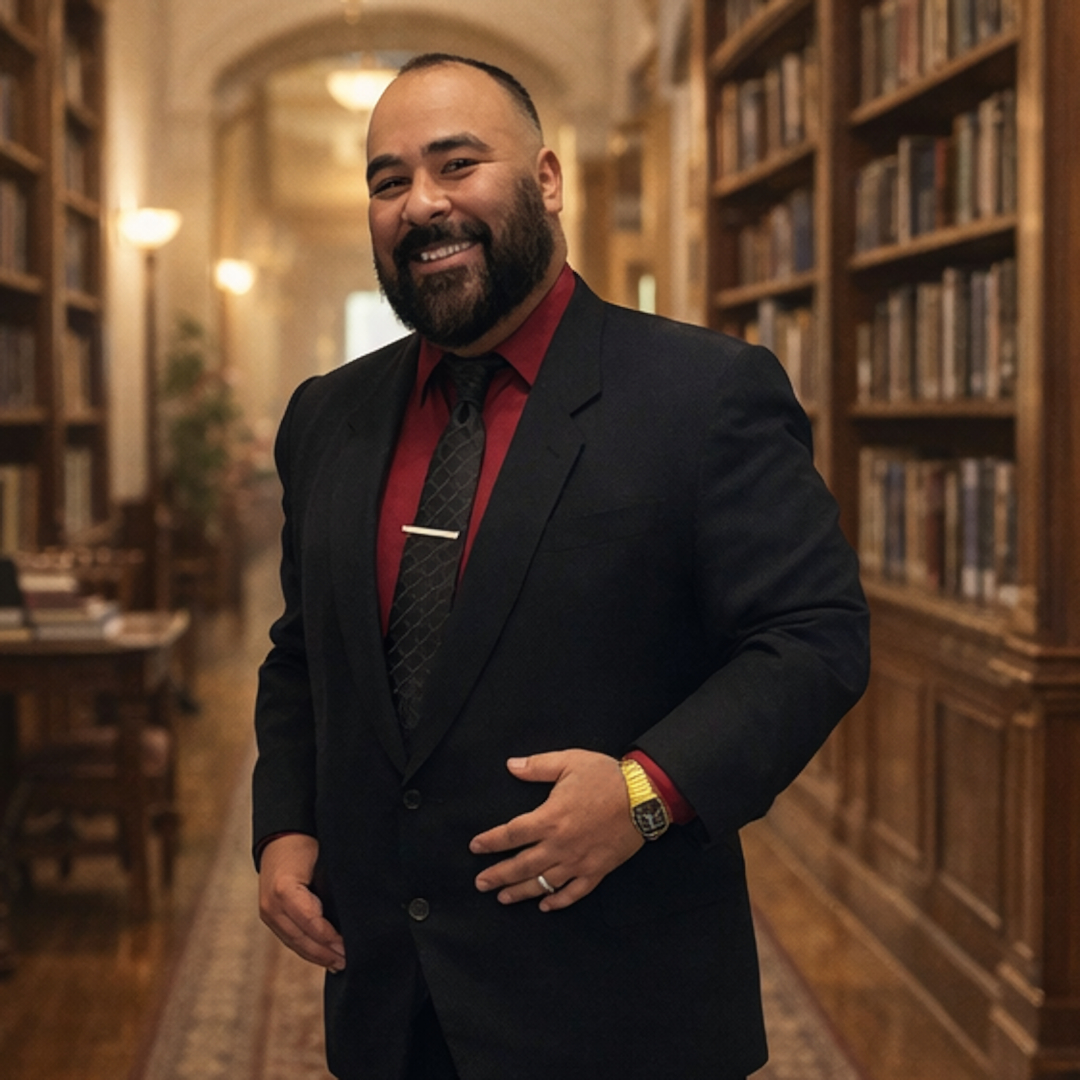
Written by
Joshua R. GutierrezFounder & Lead Engineer, Axion Deep Digital
SEO strategist and full-stack engineer who builds the audit tooling, then does the work. Technical SEO, Core Web Vitals, and content systems for SaaS and B2B.
View Joshua R. Gutierrez’s full profile & credentials →Ready to build a website that performs?
Let us audit your current site, identify the biggest opportunities, and build a plan to grow your traffic and leads.