An AI Read Our Website First. Then It Recommended Our Competitors.
Earlier this month we published a study that crawled 1,629 business websites to find out what an AI system encounters when it arrives. Of the 1,261 that responded, 5 percent block AI crawlers. Forty percent scored exactly 2 out of 10 on our AI-Readiness index, which in that rubric means the site permits AI crawlers and does nothing else. The door is open and the room is empty.
That study invites a fair question back at us. We sell this work, so we should be willing to run the same measurement on ourselves.
Here is what we found, in two parts. The first part went well. The second did not, and it is the more useful half.
We asked an AI to describe us
Open an AI assistant and ask it to describe Axion Deep Digital. Here is what one returned on the day we wrote this, unedited:
"Axion Deep Digital is a division of Axion Deep Labs, an independent R&D organization. Axion Deep Digital builds custom, engineering-first websites and provides technical SEO and lead-capture systems for small businesses and startups. They apply research-grade engineering to commercial web projects, building sites with React and Next.js that score 98 or above on Google Lighthouse out of the box. Every engagement includes structured data markup, accessibility compliance, and mobile-first responsive design as standard deliverables. Sites are hand-coded in React, Next.js, and TypeScript rather than built on WordPress, Wix, or page builders, with no templates and no outsourced code."
We did not write that paragraph, and it does not appear on our site in that form. A machine assembled it from what it could read, and it got the details right, including the stack and the Lighthouse standard we hold builds to.
What we did, and what we cannot prove it caused
Our AI-Readiness index scores a site from 0 to 10. Two points each for permitting AI crawlers, publishing an llms.txt, publishing identity schema, and publishing review schema. One point each for FAQ and Person schema. Across the 1,261 reachable sites in the study, the mean was 3.77 and the median was 4. The most common single score was 2.
We built our own site to a 10 on that same rubric:
- A named person marked up with Person schema, rather than an anonymous "our team."
- Organization and identity schema, so the entity is stated rather than implied.
- An llms.txt whose links are real markdown links. Bare URLs fail our own checker, and that is the most common way a well-meant llms.txt scores nothing for us.
- FAQ and review schema.
Now the part we would rather not skip. We cannot prove any of that produced the description above. We ran no controlled test. A site with no structured data at all, but a clear about page, might well have produced the same summary. What we can say is narrower: we did the work, the description is accurate, and we have not had to correct anyone. Whether the schema earned it or the plain text did, we did not measure.
The part we have not solved
Being described accurately is not the same as being recommended, and one search shows both at once.
Search Google for SEO in Las Cruces, from Las Cruces. Three things come back on one screen.
In the local map results we are first, at five stars, above an agency holding 32 reviews to our 6.
In the AI Overview above it, the assistant drew on six sources. Ours was the first one it cited. It used our page, our description, and our pricing.
Then it recommended three other agencies. We were not one of them.
The AI read our website first, and then told the searcher to call somebody else.
That is not unfair and it is not a defect. The two answers run on different evidence. A description can be assembled from your own site. A referral is assembled from somewhere else, and this one said so directly: it closed by sending the reader to a third-party directory to compare ratings and budgets.
So we have done the readable half. The other half is third-party evidence, meaning directories, review profiles and ranked lists, and we have not earned enough of it yet. No markup substitutes for that.
What you can do this week
- Name a human. Add a real person with Person schema instead of a faceless "team," so a system can answer who is behind the business without guessing.
- Publish an llms.txt using markdown links rather than bare URLs. One H1, a short description, real links.
- Add Organization, FAQ and review schema, so your answers and your proof are structured rather than buried in prose.
Then run the test we ran. Ask an AI to describe your business and see whether it gets you right or invents something. That is a free five-minute check on the readable half.
If you would rather have it measured, our free audit scores AI readiness alongside the speed, rendering and technical checks: run a free audit.
The study behind these numbers is here: We Crawled 1,629 Business Websites, with the method and data on the research page.
We will report on the second half as we earn it, the same way we reported this one, including the parts that are not flattering.
Related services
Keep reading
- An AI Named the Directory It Trusts for Referrals. So We Went There.An AI describes your business from your own site but recommends you from evidence you cannot write yourself. The half of AI visibility we do not control.
- We Crawled 1,629 Business Websites. Most Give AI Nothing to Read.We crawled 1,629 business websites across 30 cities and 11 industries. Only 5 percent block AI crawlers. Forty percent give them nothing to read.
- Your Directory Profile Can Be Live and Still InvisibleA claimed profile and a ranked directory listing are two different things. We checked all 126 agencies on our state's ranked list and were on none of them.
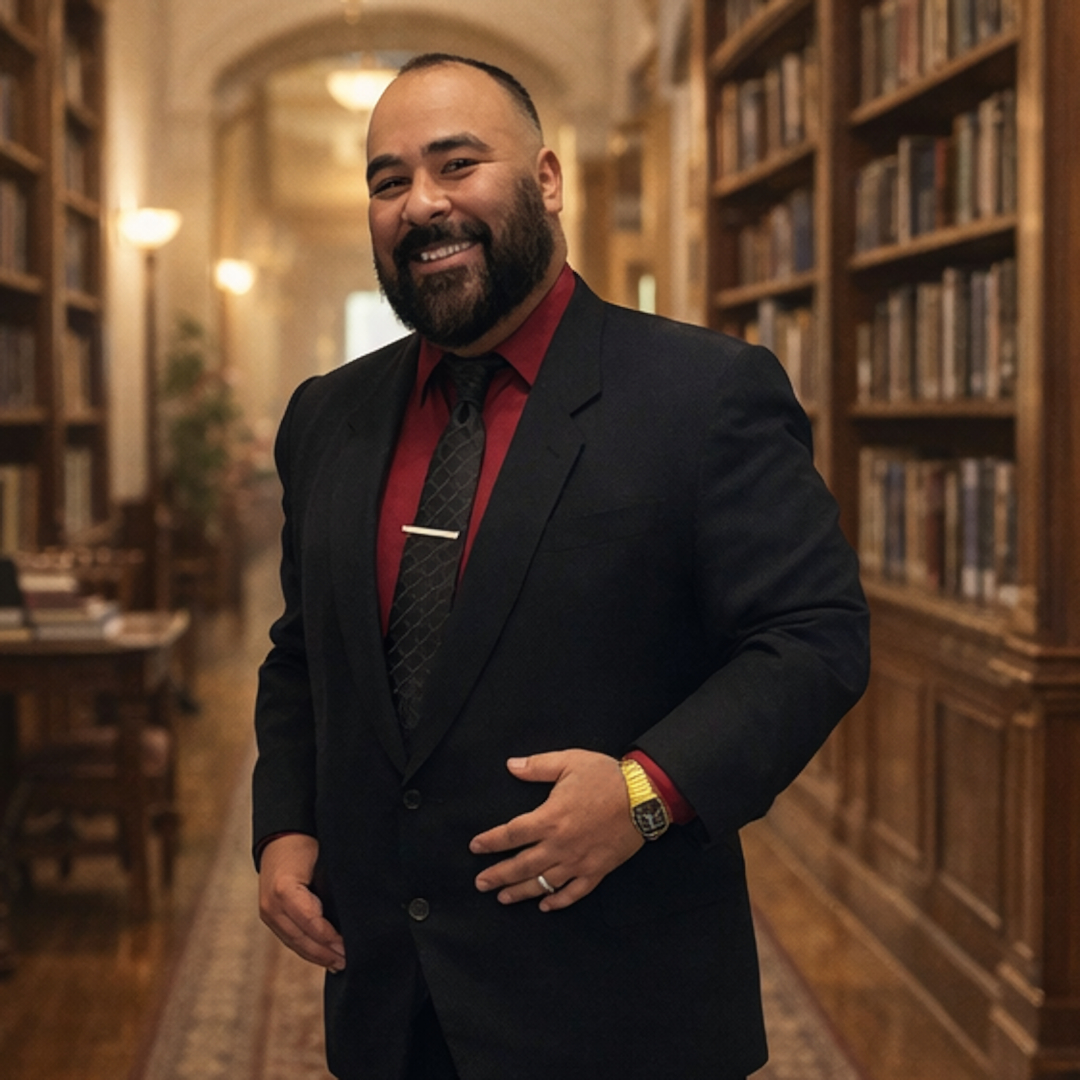
Written by
Joshua R. GutierrezFounder & Lead Engineer, Axion Deep Digital
SEO strategist and full-stack engineer who builds the audit tooling, then does the work. Technical SEO, Core Web Vitals, and content systems for SaaS and B2B.
View Joshua R. Gutierrez’s full profile & credentials →Ready to build a website that performs?
Let us audit your current site, identify the biggest opportunities, and build a plan to grow your traffic and leads.